
ELEC ABERGAVENNY
Court Farm
Llanover
Abergavenny
NP7 9HY
CALL 01873 760818
CALL 0800 832 1198
Electrical safety testing refers to the inspection and assessment of electrical systems and appliances to ensure they are safe to use and comply with safety standards. The two primary types are Fixed Wire Testing and Portable Appliance Testing (PAT), which cover different components of a property's electrical system.
Fixed Wire Testing (EICR)
Also known as an Electrical Installation Condition Report (EICR), fixed wire testing assesses the permanent electrical installation of a property, such as wiring, sockets, light fittings, and consumer units (fuse boxes).
What is involved:
- Visual inspection: An electrician inspects all visible electrical components for damage, wear, or non-compliance with current regulations.
- "Dead" tests: With the power switched off, tests are conducted for continuity and insulation resistance to check for bad wiring or deteriorated insulation.
- "Live" tests: With the power on, tests are performed for polarity and earth fault loop impedance to ensure safety devices will operate correctly in the event of a fault.
- Report (EICR): A report is issued detailing any faults and their level of risk, with codes C1 (immediate danger) and C2 (potentially dangerous) requiring urgent action.
Frequency:
- Landlords: Legally required every five years for rented properties in the UK.
- Homeowners: Recommended every 5 to 10 years, especially when buying or selling a property.
- Commercial premises: Varies depending on the environment, ranging from annually for high-risk locations like swimming pools to every five years for offices.
Portable Appliance Testing (PAT)
PAT testing is the examination of portable and movable electrical appliances to ensure they are safe for use. It is a requirement to have annual PAT testing, employers are legally responsible for maintaining electrical equipment to prevent danger.
What is involved:
- Visual inspection: The appliance's plug, cable, and casing are checked for damage.
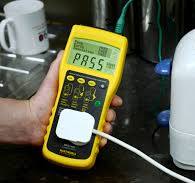
- Combined inspection and test: A PAT tester is used to perform tests like earth continuity and insulation resistance.
Frequency:
- The frequency of testing is determined by a risk assessment based on the equipment type and usage environment. For instance, equipment on a construction site needs more frequent testing than a lamp in an office.
Why is electrical safety testing important?
- Prevents accidents: Testing helps prevent electric shocks, fires, and other hazards caused by faulty equipment or wiring.
- Legal compliance: For landlords and employers, regular testing helps meet legal obligations under regulations like the Electricity at Work Regulations 1989.
- Insurance validity: Many insurance policies require up-to-date electrical safety certificates for claims to be valid.
- Peace of mind: Regular checks provide assurance that a home or workplace is safe from potential electrical risks.
Leave a Comment
I hope you enjoyed this post. If you would like to, please leave a comment below.